
日本大和官网同步发布翻译
大和健康资讯 第246期(2024年2月)
中文为主 · 机器辅助同步翻译
中文同步译文
本期由日本大和官网于2024/02/22发布,内容涵盖健康科普、专家观点、相关机构、研究与活动信息以及公开报道的奖项与荣誉。以下提供中文同步译文、日文官方原文与英文弱对照;涉及健康或研究的历史内容不作为产品功能说明。
■ 关于大和制药的最新信息
◎ 在阿联酋学术会议上发表
♪ 一本关于Bio Bran的书已经出版
◎ 已发表论文:米糠阿拉伯氧基化合物补充剂对肝脏有影响吗?随机对照试验系统综述及剂量-反应荟萃分析
◎ 论文发表:基于证据的标准化免疫调节疗法使用植物基生物活性物质的重要性
◎ 论文发表:米糠阿拉伯诺二氰化合物与癌症患者生活质量(RBAC-QoL):RBAC-QoL研究的中间分析
■ 关于颈部僵硬治疗解释的头痛 医生和病理学家:大多数“头痛”是头皮疼痛,治疗方法包括松井物理治疗和自姿恢复
10)体位性失调
远藤祐三博士(东京神经中心,内科普通内科,病理专家,医学博士)
在远藤裕三博士《医生健康建议》第十期中,我们将从身体结构的角度讨论直立性失调和颈部直立的原因。
■ 世界卫生报告
不擅长烹饪的老年人独自生活,死亡风险会增加吗?
东京医科牙科大学研究生院国际健康促进医学系的谷裕子及其同事的一项队列研究显示,独居老年人如果烹饪技能较低,死亡率可能更高。与独居且烹饪技能高的老年人相比,烹饪技能较低的老年人死亡风险高出2.5倍,而同居老年人中,烹饪技能与死亡风险无关联。该研究细节于11月10日发表在《国际行为营养与体育活动杂志》上。
■ 通过美食游历日本 ~ 地方美食之旅 ~
安生间(长野县)
不定期系列:《美食之旅日本~本地美食之旅~》。
这次,我要谈谈“弥湿”。
节分之后,我开始感受到春天的到来,梅花正逐渐绽放。我迫不及待想迎接温暖柔和的阳光。
这次,我们将介绍“八生魔”,这是春天主要产自长野县北部地区的甜点传统。
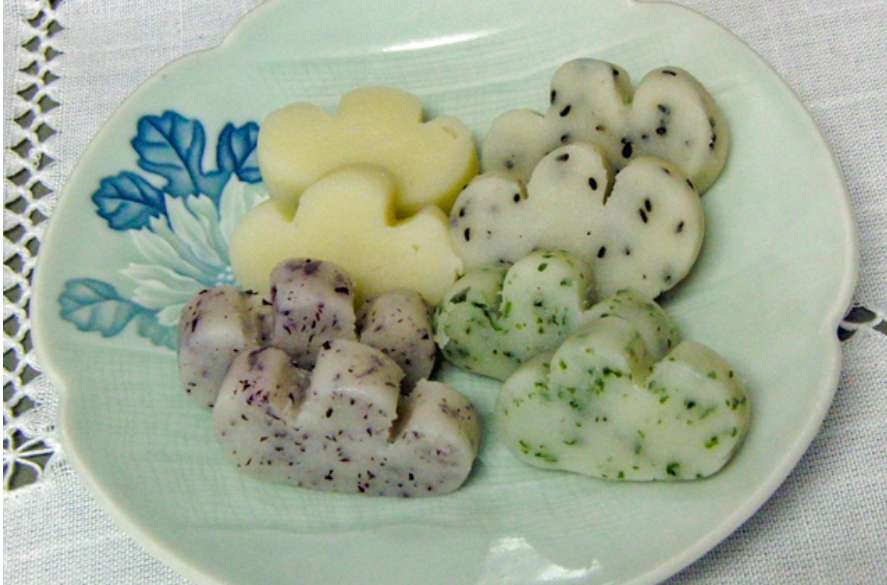
在该地区,涅槃仪式(涅槃)2月15日佛陀圆寂时,佛坛供奉一种细长的米粉团,称为“Yashouma”。“Yashouma”是用染色蒸煮米粉制成的饺子,供奉家中祭坛,并在寺庙中分发给信徒和儿童,参加涅槃祭祀。关于“Yashouma”名称的起源有多种说法,但长野地区与马关系密切,据说饺子形状类似骨马背部,因此“Yaseuuma”是“Yaseuma”的变体。还有传说称拥有“Yashouma”可预防全年疾病,或将其置于马鞍上可防止受伤,表明与马有密切联系。
制作时,先将米粉、糖和盐混合,然后加入少量热水揉成耳耳垂硬化的块。撕成一把把,放入蒸锅蒸煮。浸泡冷水冷却后,在碗中揉面,加入青则、豆子、芝麻及其他配料,拉伸成长形并塑形。主要形状是一个长条状的饺子,用筷子压制使其凸起,形状多样,如三角形、中间细长的砝物形或花瓣状。近年来,带有彩色图案的“yashoma”被制作出来,深受儿童喜爱。
Yashoma是用天然食品染色的,没有人工色素。原料是近年来备受关注的米粉,非常健康。其新鲜制作、嚼劲十足的口感独特,无论是现状还是表面烘烤,味道都很棒。一定要在家尝试制作色彩斑斓的yashoma,享受它的乐趣。
来源:《农林渔业部网站/我们的本地美食》(https://www.maff.go.jp/j/keikaku/syokubunka/k_ryouri/search_menu/menu/yashouma_nagano.html 年)
下一期《Health Kawara版》计划于2024年3月21日左右发布。
日文官方原文
Vol.246–2024年2月号
■大和薬品最新情報
◎ UAEで学会発表をしました
◎ バイオブランについての書籍が発刊されました
◎ 論文掲載: 米ぬかアラビノキシラン化合物サプリメントによる肝影響はあるか?ランダム化比較試験のシステマティックレビューと用量反応メタアナリシス
◎ 論文掲載: エビデンスに基づく標準化された植物由来生理活性物質を用いた免疫調節療法の使用頻度の重要性
◎ 論文掲載: 米ぬかアラビノキシラン化合物とがん患者のQoL(RBAC-QoL): RBAC-QoL研究の中間解析
■首コリ治療医、病理専門医の説く頭痛について ほとんどの“頭痛”とは頭皮痛のこと治療法は松井理学療法と自己姿勢の復帰
10)起立性調節障害
遠藤 雄三先生 (東京脳神経センター総合内科、病理専門医、医学博士)
遠藤 雄三先生によるドクターからの健康アドバイス第10回の今回は、身体構造からみる起立性調節障害やストレートネックの要因についてお話いただきます。
■ワールドヘルスレポート
料理が苦手な高齢者の一人暮らしでは死亡リスクが高まる?
一人暮らしの高齢者は、調理技術が低いと死亡率が高まる可能性のあることが、東京医科歯科大学大学院国際健康推進医学分野の谷友香子氏らによるコホート研究から示されました。調理技術が高い一人暮らしの高齢者と比較すると、低い人では死亡リスクが2.5倍に上った一方で、同居している高齢者では調理技術と死亡リスクに関連は見られませんでした。研究結果の詳細は「International Journal of Behavioral Nutrition and Physical Activity」に11月10日掲載されました。
■食で巡る日本~郷土料理紀行~
やしょうま(長野県)
不定期連載「食で巡る日本~郷土料理紀行~」。
今回は「やしょうま」についてお話します。
 節分も過ぎ、少しずつほころび始めた梅の花に春の訪れを感じるようになりました。暖かく、柔らかい日差しが待ち遠しいですね。
今回は、長野県北部地域を中心に伝わる、春になると作られるお菓子「やしょうま」をご紹介します。
この地方では、お釈迦様が亡くなられた涅槃会(ねはんえ)の2月15日に「やしょうま」と呼ばれる細長い米の粉で作ったお団子を仏壇に供えます。「やしょうま」は米粉を練ったものに色を付けて蒸したお団子で、家庭では仏壇に供え、お寺では涅槃会の法要の時に、参詣人や子供たちに配られます。「やしょうま」という名称の由来には諸説ありますが、長野は馬とかかわりの深い土地で、団子の形が骨ばった馬の背中に似ていることから「やせうま」がなまったものであると言われます。「やしょうま」を持っていると年中病気にかからないとか、馬の鞍の中に入れておくと馬がけがをしないなどの言い伝えもあり、馬との結びつきは強いようです。
作り方はまず、米粉、砂糖、塩を混ぜ、そこに熱湯を少量加えて耳たぶくらいの硬さに練り上げ、一握りサイズにちぎったら蒸し器で蒸します。冷水につけて冷やしてから、ボウルに入れてこねますが、その際に青のり、豆、ゴマなどを加え、細長く伸ばして成形します。形は、細長い棒状の団子に箸を押し付けて凸状にするのが主流で、三角形に似たもの、真ん中のくびれた分銅形、花弁の形をしたものなど様々ですが、近年では色とりどりの模様を描く「やしょうま」が作られ、子供たちにも人気があります。
「やしょうま」は人工的な着色料は使わずに、自然にある食物から色を付けています。また、材料は近年注目を集めている「米粉」で、とてもヘルシーです。できたてのもちもちの食感は独特で、そのままでも、表面を焼いても美味しくいただけます。ぜひご家庭でも色とりどりの「やしょうま」を作って楽しんでみてください。
出典「農林水産省Webサイト/うちの郷土料理」(大和官网相关资料
次回の「健康かわら版」は2024年3月21日頃配信予定です。
机器辅助同步翻译
English translation:Vol.246 – February 2024 Issue
■ Latest Information from Yamato Pharmaceuticals
◎ Presented at a conference in the UAE
◎ A book on BioBran has been published
◎ Paper Published: Do Rice Bran Arabinoxylan Compound Supplements Affect the Liver? A Systematic Review and Dose-Response Meta-Analysis of Randomized Controlled Trials
◎ Paper Published: The Importance of Usage Frequency of Immune-Modulating Therapy Using Evidence-Based Standardized Plant-Derived Bioactive Compounds
◎ Paper Published: Rice Bran Arabinoxylan Compound and Quality of Life in Cancer Patients (RBAC-QoL): Interim Analysis of the RBAC-QoL Study
■ Neck Stiffness Treatment Doctors and Pathology Specialists on Headaches: Most “Headaches” Are Scalp Pain; Treatment Methods Include Matsui Physiotherapy and Posture Restoration
10) Orthostatic Dysregulation
Dr. Yuzo Endo (Tokyo Neuroscience Center, General Internal Medicine, Pathology Specialist, MD)
In the 10th edition of Dr. Yuzo Endo’s Health Advice for Doctors, he will discuss factors behind orthostatic dysregulation and straight neck from a body structure perspective.
■ World Health Report
Are Mortality Risks Higher for Older Adults Living Alone Who Are Poor at Cooking?
A cohort study by Tomoko Tani and colleagues from the Department of International Health Promotion Medicine at Tokyo Medical and Dental University Graduate School suggested that older adults living alone with poor cooking skills may have a higher risk of death. Compared with older adults living alone with high cooking skills, those with lower skills had a 2.5 times higher risk of mortality. However, no association was observed between cooking skills and mortality among older adults living with others. The detailed results of this study were published in the International Journal of Behavioral Nutrition and Physical Activity on November 10.
■ Exploring Japan through Food – A Journey of Regional Cuisine
Yashouma (Nagano Prefecture)
Irregular series: "Exploring Japan through Food – A Journey of Regional Cuisine"
This time, we will talk about "yashouma."
After Setsubun, we start to feel the arrival of spring in the plum blossoms that are gradually beginning to bloom. We are looking forward to the warm and soft sunlight.
This time, we introduce a sweet called "yashouma," made in the northern part of Nagano Prefecture in spring.
In this region, on February 15, the day of Nirvana Memorial (Nehan-e), which marks the passing of Buddha, rice flour dumplings called "yashouma" are offered at household altars. "Yashouma" are steamed dumplings made by kneading rice flour and coloring it. At home, they are offered at the altar, and at temples, they are distributed to visitors and children during the Nirvana memorial services. There are several theories about the origin of the name "yashouma," but it is said that because Nagano has a strong connection with horses and the shape of the dumplings resembles the bony back of a horse, "yaseuma" eventually became "yashouma." Folklore also says that having "yashouma" keeps you from getting sick throughout the year, or placing it in a horse’s saddle protects the horse from injury, showing a strong connection with horses.
To make it, first mix rice flour, sugar, and salt, then add a small amount of hot water and knead to a consistency similar to earlobes. Break it into fist-sized pieces and steam in a steamer. After cooling in cold water, put it in a bowl and knead it, adding ingredients like green laver, beans, and sesame, and shape it into long rods. The shapes vary: commonly long cylindrical dumplings pressed with chopsticks to create bumps, or triangular, dumbbell-shaped in the center, or petal-shaped. Recently, colorful "yashouma" designs are made, popular with children.
"Yashouma" is colored naturally using food ingredients without artificial coloring. The main ingredient, rice flour, has gained attention in recent years and is very healthy. The freshly made chewy texture is unique and delicious, whether eaten as is or grilled. Please enjoy making colorful "yashouma" at home.
Source: Ministry of Agriculture, Forestry and Fisheries Website / Our Local Cuisine (https://www.maff.go.jp/j/keikaku/syokubunka/k_ryouri/search_menu/menu/yashouma_nagano.html)
The next edition of the "Health Newsletter" is scheduled for distribution around March 21, 2024.