
日本大和官网同步发布翻译
大和健康资讯 第242期(2023年10月)
中文为主 · 机器辅助同步翻译
中文同步译文
本期由日本大和官网于2023/10/23发布,内容涵盖健康科普、专家观点、相关机构、研究与活动信息以及公开报道的奖项与荣誉。以下提供中文同步译文、日文官方原文与英文弱对照;涉及健康或研究的历史内容不作为产品功能说明。
■ 关于大和制药的最新信息
♪ 举办在线研讨会
◎ 在“日本预防临床医学会”展出
◎ 展出于“Vitafoods亚洲展2023”
◎ 发表论文:纳豆菌生产蛋白对皮肤的影响:体外疗效试验与单臂试验
◎ 发表于论文:摄入改良米糠或阿拉伯诺基兰化合物导致的人体肠道微生物群变化
◎ 发表论文:从健康与疾病视角看改良稻糠作为营养素——利用定量书目分析进行范围研究
◎ 出版物:利用香菇菌丝酶促进改良米糠阿拉宾诺基兰健康与衰老的免疫因子——综合文献综述
■ 关于颈部僵硬治疗师和病理学家解释的头痛:大多数“头痛”是头皮疼痛。治疗方法包括松井物理治疗和姿势恢复
6)自主神经系统疾病的症状
远藤祐三博士(东京神经中心,内科普通内科,病理专家,医学博士)
在远藤裕三博士医生的健康建议第六期中,我们将讨论自主神经系统疾病的机制和症状。
■ 世界卫生报告
与工作相关的压力会增加男性患心脏病的风险。
一项涉及6400多人的大型研究表明,严苛但无回报的工作可能对男性心脏健康造成重大打击。研究发现,感到工作压力的男性患心脏病的风险是同龄男性的两倍,而男性对工作更为满意。这项由加拿大魁北克大学拉瓦尔大学研究中心的Mathilde Lavigne-Robichaud及其同事完成的这项研究细节,于9月19日发表在《循环:心血管质量与结果》一文中。
■ 通过美食游历日本 ~ 地方美食之旅 ~
重阳节与栗子饭
不定期系列:《美食之旅日本~本地美食之旅~》。
这次我想谈谈“长王之石谷和栗子饭”。
清晨和傍晚,凉爽如秋风的微风渐渐吹来,夕阳西下,昆虫的安抚声从各处回荡。旧农历九月九日(现为十月中旬)被称为“重阳节”。此节日也称为“菊花节”或“栗子节”,用于祈祷和长寿庆典。
据说长之石楠是在平安时代从中国引入的。自古以来,中国的奇数日被视为吉祥的“阳日”。 以及奇数重叠的日子,如3月3日(桃节)、5月5日(丹吾之节)和7月7日(七夕),被庆祝为“节日”。其中9月9日被称为“长之节”,因为奇数数字(1到9)中的最后一个“9”重叠。这一天,人们传统上会饮用菊酒和栗子饭,祈求健康与健康。菊花也被视为长寿驱邪的花卉,在平安时代早期,人们饮用菊酒凝视菊花的“菊花宴”被纳入宫廷活动。
这次我想谈谈“栗饭”,这是长鱼节的一餐。虽然栗饭现在全国都有食用,但它最初是京都的一道地方菜。京都的特色之一是“丹波栗”,产自丹波地区。“丹波栗”不是一个品种,而是指丹波地区采收的栗子,以体积大、甜度著称。“丹波季”的历史是 时间很长,似乎在平安时代左右就已在贵族中食用。后来,在江户时代,它被作为对幕府和朝廷的贡品。“栗子饭”的制作非常简单:将米饭、盐和栗子放入电饭煲中煮熟,但加一点盐可以增强栗子的甜味,使其更加美味。你也可以加入糯米,做成栗子和(栗子小和),使其美味。 栗子不仅美味,还富含蛋白质、钾、维生素C和膳食纤维。制作栗子米可以充分享受栗子的营养,因此在夏季与秋季气温骤变的季节,栗子是推荐的菜肴。
秋天来临,让我们享用栗子饭配上珍贵的菊花,祈愿健康。
图片来源:农林渔业部,《我们的本地美食》
(https://www.maff.go.jp/j/keikaku/syokubunka/k_ryouri/search_menu/menu/kurigohan_kyoto.html)
下一期《川崎剑工版》计划于2023年11月20日左右发布。
日文官方原文
Vol.242–2023年10月号
■大和薬品最新情報
◎ オンラインセミナーを実施しました
◎ 「日本先制臨床医学会」に出展しました
◎ 「Vitafoods Asia 2023」に出展しました
◎ 論文掲載: 納豆菌生産タンパク質の皮膚への影響: in vitro有効性試験およびシングルアーム試験
◎ 論文掲載: 修飾米ぬかアラビノキシラン化合物の摂取がヒト腸内細菌叢にもたらす変化
◎ 論文掲載: 健康と病気から見るニュートラシューティカルズとしての修飾米ぬかアラビノキシラン-計量書誌学解析によるスコーピング研究
◎ 論文掲載:シイタケ菌糸体酵素による修飾米ぬかアラビノキシランの健康と老化のための免疫製剤-包括的文献レビュー
■首コリ治療医、病理専門医の説く頭痛について ほとんどの“頭痛”とは頭皮痛のこと 治療法は松井理学療法と自己姿勢の復帰
6)自律神経障害の症状
遠藤 雄三先生 (東京脳神経センター総合内科、病理専門医、医学博士)
遠藤 雄三先生によるドクターからの健康アドバイス第6回の今回は、自律神経障害が起こるメカニズムと症状についてお話いただきます。
■ワールドヘルスレポート
仕事のストレスは男性の心疾患リスクを高める
過酷なのにやりがいの感じられない仕事は、男性の心臓の健康に大きな打撃を与える可能性があることが、6,400人以上を対象にした大規模研究で示唆されました。仕事にストレスを感じている男性の心疾患発症リスクは、仕事への満足度がより高い同世代の男性と比較して最大で2倍に達することが明らかになったといいます。CHU de Québec-Université Laval Research Center(カナダ)のMathilde Lavigne-Robichaud氏らによるこの研究の詳細は、「Circulation: Cardiovascular Quality and Outcomes」に9月19日掲載されました。
■食で巡る日本~郷土料理紀行~
重陽の節句と栗ご飯
不定期連載「食で巡る日本~郷土料理紀行~」。
今回は「重陽の節句と栗ご飯」についてお話します。
朝晩に少しずつ秋めいた涼しい風が吹くようになり、日が落ちるとともにどこからともなく響き渡る虫の声が心地よく聞こえてきます。旧暦の9月9日(現在の10月中旬)は、「重陽の節句」。長寿のお祈り、お祝いをする節句ですが「菊の節句」または「栗の節句」とも呼ばれます。
重陽の節句は、平安時代に中国から伝わったとされます。古来から中国では奇数の日は「陽の日」として縁起が良いとされ、3月3日(桃の節句)、5月5日(端午の節句)、7月7日(七夕)のように奇数が重なる日は節句の日としてお祝いをしてきました。中でも9月9日は、奇数(1〜9)の中で一番最後の「9」が重なることから「重陽の節句」と言われるようになりました。この日は、古来から菊酒や栗飯を食べて無病息災を祈ったということです。また、菊は長寿をもたらす花で邪気を払うとされ、平安初期には、菊を眺めながら菊酒を飲む「菊花の宴」が宮中行事として取り入れられました。
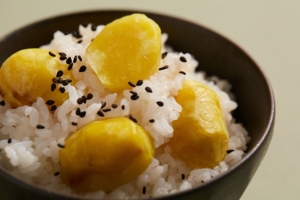 今回は、重陽の節句の行事食として食される「栗ご飯」についてお話ししたいと思います。今では全国的に食べられている栗ご飯ですが、元々は京都の郷土料理。京都の名産の一つに、丹波地域でとれる「丹波くり」があります。「丹波くり」は品種ではなく、丹波地域でとれる栗のことを指しますが、とても大ぶりで甘みがあることで知られます。「丹波くり」の歴史は古く、平安時代ごろからすでに貴族の間で食べられていたようです。その後、江戸時代には、幕府や朝廷への献上品とされていました。「栗ご飯」の作り方はとてもシンプルで、炊飯器に米、塩、栗を入れて炊いて食べますが、少し塩をきかせることで、栗の甘さがより引き立っておいしくいただけます。もち米を入れて、栗おこわ風にしてもおいしくいただけます。栗はおいしいだけでなく栄養も豊富で、たんぱく質が多めなほか、カリウムやビタミンC、食物繊維を多く含みます。栗ご飯にすることで、栗の栄養をしっかりいただくことができるので、夏から秋への急激な気温の変化で食欲が減退しがちなこの季節にお勧めの一品です。
秋の訪れを感じながら、菊の花を愛でつつ栗ご飯をいただいて、無病息災を祈りましょう。
写真出典:農林水産省「うちの郷土料理」
(大和官网相关资料
次回の「健康かわら版」は2023年11月20日頃配信予定です。
机器辅助同步翻译
English translation:Vol.242 – October 2023 Issue
■ Latest Information on Daiwa Pharmaceutical
◎ Online seminar held
◎ Exhibited at the "Japan Society for Preventive Clinical Medicine"
◎ Exhibited at "Vitafoods Asia 2023"
◎ Paper Published: Effects of Natto Bacteria Production Protein on Skin: In Vitro Efficacy Trials and Single-Arm Trials
◎ Published in paper: Changes in the human gut microbiota caused by intake of modified rice bran or arabinoxylane compounds
◎ Paper Published: Modified Rice Bran Arabinoxylan as Nutrients from the Perspective of Health and Disease - Scoping Research Using Quantitative Bibliographic Analysis
◎ Publication: Immune Agents for Health and Aging of Modified Rice Bran Arabinoxylan Using Shiitake Mycelium Enzymes - Comprehensive Literature Review
■ About headaches explained by neck stiffness therapists and pathologists: Most "headaches" are scalp pain. Treatment methods include Matsui Physical Therapy and Restoration of Posture
6) Symptoms of autonomic nervous system disorders
Dr. Yuzo Endo (Tokyo Neurology Center, Department of General Internal Medicine, Pathology Specialist, Doctor of Medicine)
In this 6th installment of Dr. Yuzo Endo's health advice from a doctor, we will discuss the mechanisms and symptoms of autonomic nervous system disorders.
■ World Health Report
Work-related stress increases men's risk of heart disease.
A large study involving more than 6,400 people suggested that harsh yet unrewarding work can deal a significant blow to men's heart health. It was found that men who feel stressed about their jobs have up to twice the risk of developing heart disease compared to men of the same age who are more satisfied with their jobs. The details of this study by Mathilde Lavigne-Robichaud and colleagues at the CHU de Québec-Université Laval Research Center (Canada) were published on September 19 in "Circulation: Cardiovascular Quality and Outcomes."
■ Traveling Japan through Food ~ Local Cuisine Journey ~
Double Ninth Festival and chestnut rice
Irregular series: 'Traveling Japan Through Food ~ Local Cuisine Journey ~'.
This time, I'd like to talk about 'Chōnō no Sekku and chestnut rice.'
In the mornings and evenings, a cool, autumn-like breeze gradually blows, and as the sun sets, the soothing sounds of insects echoing from anywhere. The ninth day of the ninth month in the old lunar calendar (currently mid-October) is called the "Chongyang Festival." This festival is also called the "Chrysanthemum Festival" or "Chestnut Festival," where prayers and celebrations for longevity are celebrated.
Chōnō Sekku is said to have been introduced from China during the Heian period. Since ancient times, odd-numbered days in China have been considered auspicious as 'Yang Day,' and days with odd numbers overlapping, such as March 3rd (Peach Festival), May 5th (Tango no Sekku), and July 7th (Tanabata), have been celebrated as 'Sekku no Sekku' (Festival Day). Among these, September 9th is called 'Chōnō no Sekku' because the last '9' in the odd numbers (1 to 9) overlaps. On this day, people have traditionally eaten chrysanthemum wine and chestnut rice to pray for good health and good health. Chrysanthemums are also considered flowers that bring longevity and ward off evil spirits, and in the early Heian period, the 'Chrysanthemum Banquet,' where people drink chrysanthemum sake while gazing at chrysanthemums, was incorporated as a court event.
This time, I would like to talk about "chestnut rice," which is eaten as a meal for the Chōngyō festival. Although chestnut rice is now eaten nationwide, it was originally a local dish of Kyoto. One of Kyoto's specialties is "Tanba kuri," which is harvested in the Tanba region. "Tanba kuri" is not a variety but refers to chestnuts harvested in the Tanba region, which are known for their large size and sweetness. The history of "Tanba kuri" is long, and it seems that it was already eaten among the nobility around the Heian period. Later, during the Edo period, it was presented as a tribute to the shogunate and the imperial court. The preparation of "chestnut rice" is very simple: you put rice, salt, and chestnuts into a rice cooker and cook them, but adding a little salt enhances the sweetness of the chestnuts and makes them even more delicious. You can also add sticky rice and make it like a chestnut okowa (chestnut kowa), making it delicious. Chestnuts are not only delicious but also rich in nutrients, high in protein, potassium, vitamin C, and dietary fiber. By making chestnut rice, you can fully enjoy the nutrients of chestnuts, making it a recommended dish during this season when the sudden temperature changes from summer to autumn tend to reduce appetite.
As autumn arrives, let's enjoy chestnut rice with the cherishing chrysanthemums and pray for good health.
Photo source: Ministry of Agriculture, Forestry and Fisheries, 'Our Local Cuisine'
(https://www.maff.go.jp/j/keikaku/syokubunka/k_ryouri/search_menu/menu/kurigohan_kyoto.html)
The next "Kenko Kawara Edition" is scheduled to be released around November 20, 2023.